A Legacy of Leadership, Service, and Sacrifice

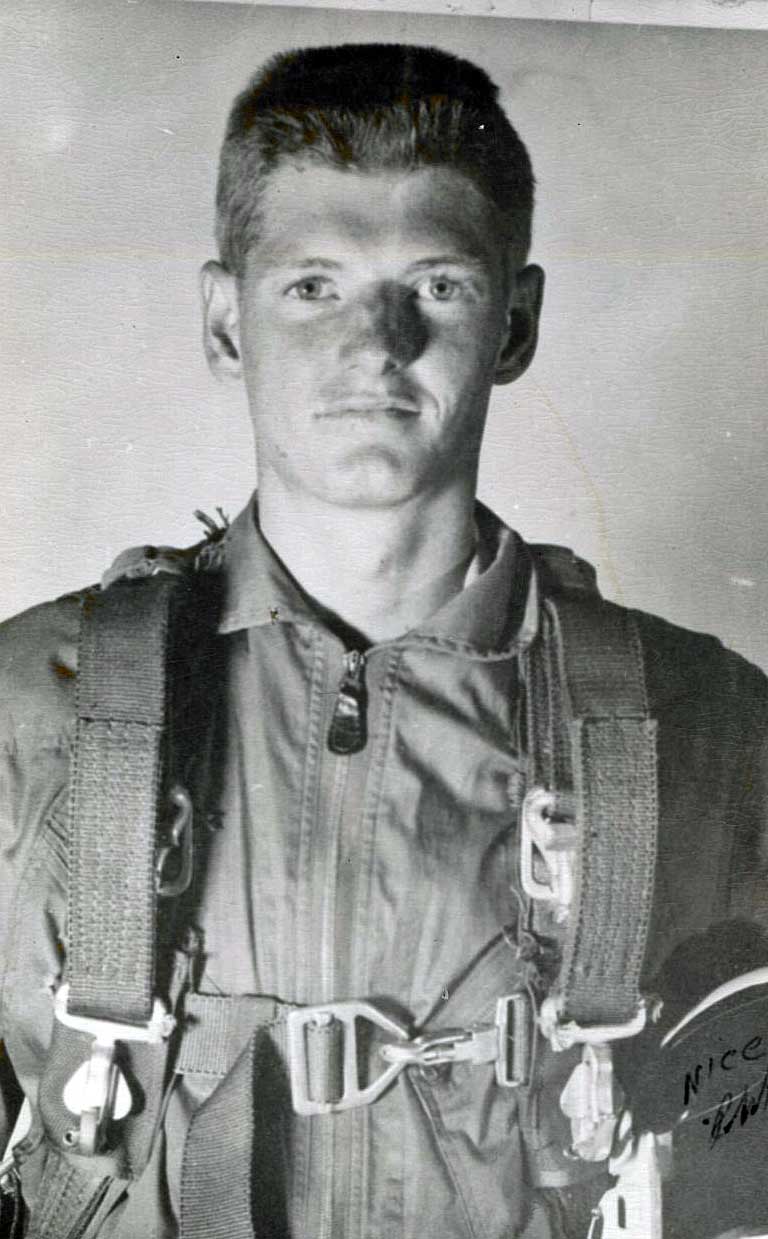 Capt Richard W. Herold Rutgers University, Class of 1967 Metuchen, NJ
National Recognition & Excellence
- 2018: High Flight Award — NE Region
- 2018: Right of Line Award — HQ AFROTC
- 2020: Team of the Year — NE Region
- 2020: Team of the Year — HQ AFROTC
- 2025: Team of the Quarter (2nd Quarter) — NE Region
- 2025: Team of the Quarter (3rd Quarter) — NE Region
- 2025: Team of the Year — NE Region
- 2025: Team of the Year — HQ AFROTC
- 2025: Team of the Year — Jeanne M. Holm Center
Who Were the Ravens?
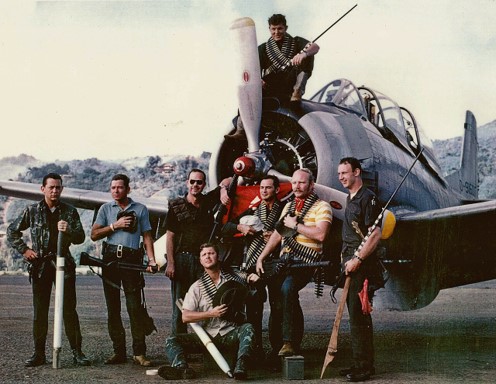
Raven forward air controllers, including Lt. Craig W. Duehring (“Raven 27”) and Capt. Charles “Chuck” Engle (“Raven 26”), jokingly pose for a group photo in front of a T-28 at Long Tieng, Laos, 1970.
Ravens were Forward Air Controllers (FACs) who worked with the CIA to identify targets in Laos during the Vietnam War. Typically former fighter pilots, they flew unmarked Cessna O-1 Bird Dogs in civilian clothes to avoid detection.
Following the 1962 Geneva Accords, which called for Laos to remain neutral and for foreign military withdrawal, the U.S. pulled its forces from the region. Despite this, North Vietnam continued to use Laos as a supply route and stationed troops there. In response to a Lao government request for help, President Kennedy directed covert U.S. Air Force operations to support the Lao forces without breaching the Accords.
Ravens, often accompanied by Lao interpreters, marked enemy targets with smoke rockets, directed air strikes, and assessed damage to minimize civilian casualties. Selection for this mission required extensive combat experience and flying hours. Ravens faced heavy anti-aircraft fire, with 90% of planes hit, 60% downed, and 30% of pilots killed in action.
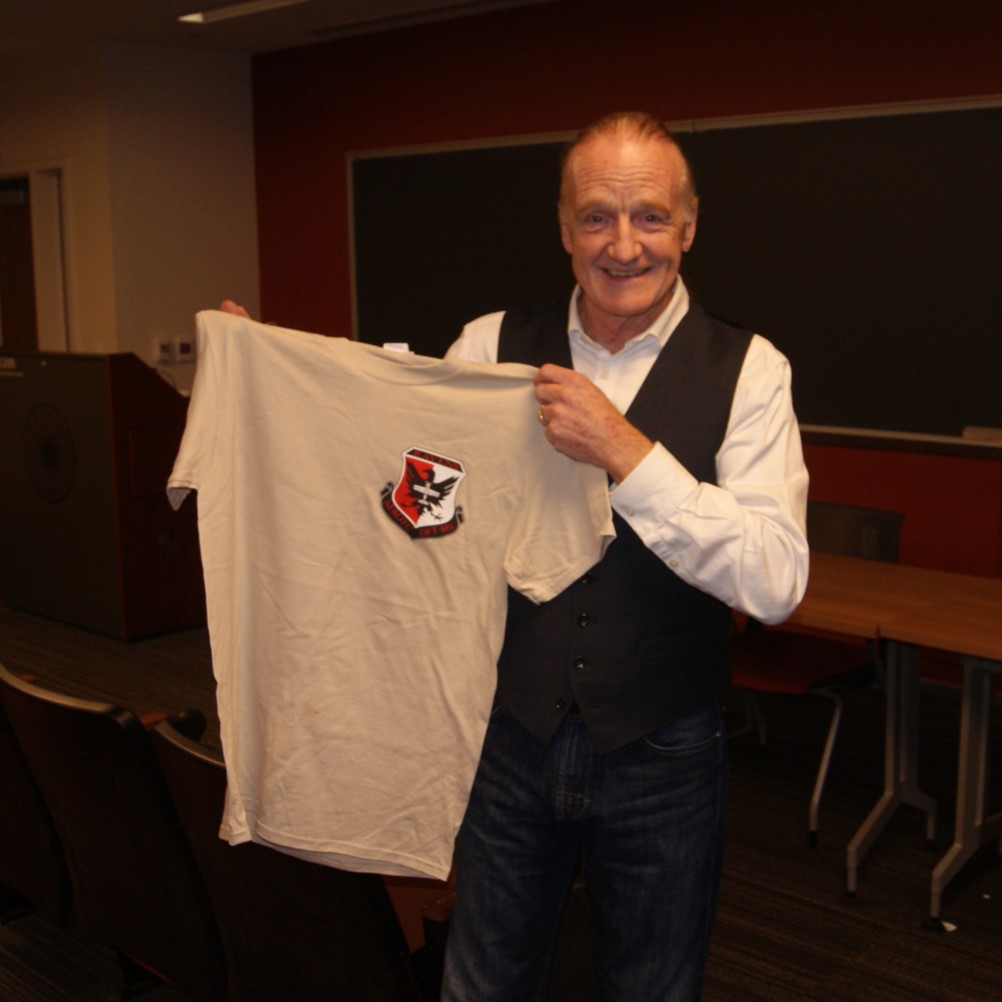 Christopher Robbins, Author of “The Ravens” speaks at Ravens Night 2015.
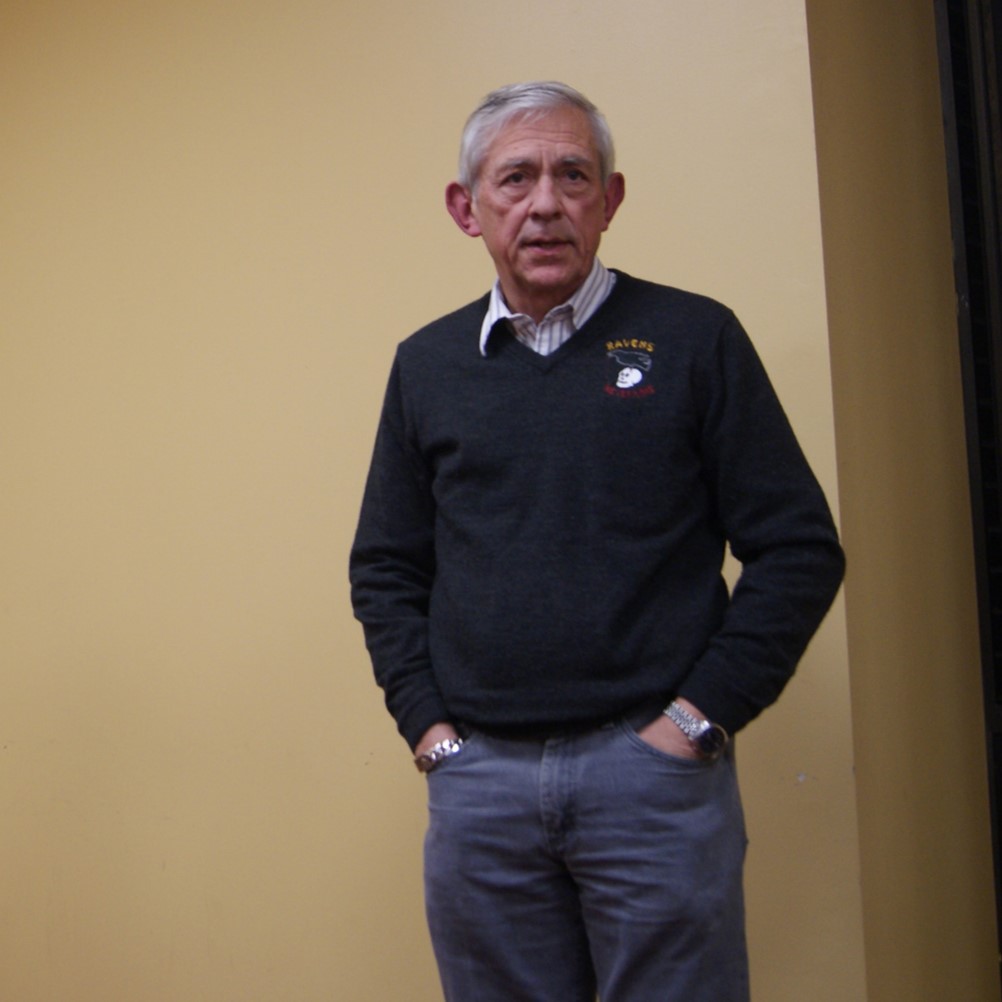 Col (Ret.) Craig Duehring (“Raven 27”) speaks at Ravens Night 2016.
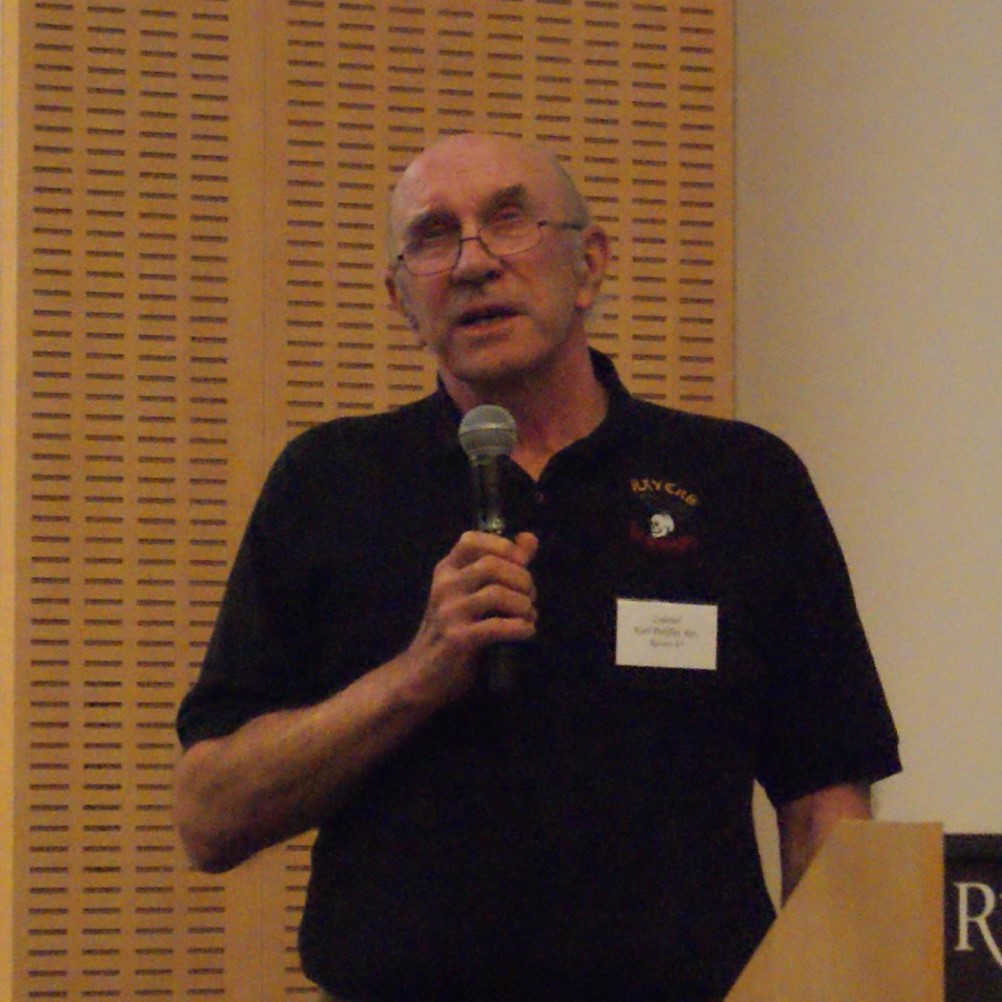 Col (Ret.) Karl Polifka (“Raven 45”) speaks at Ravens Night 2018.